How Modern Chefs Are Redefining Traditional Asian Comfort Foods

Comfort Foods

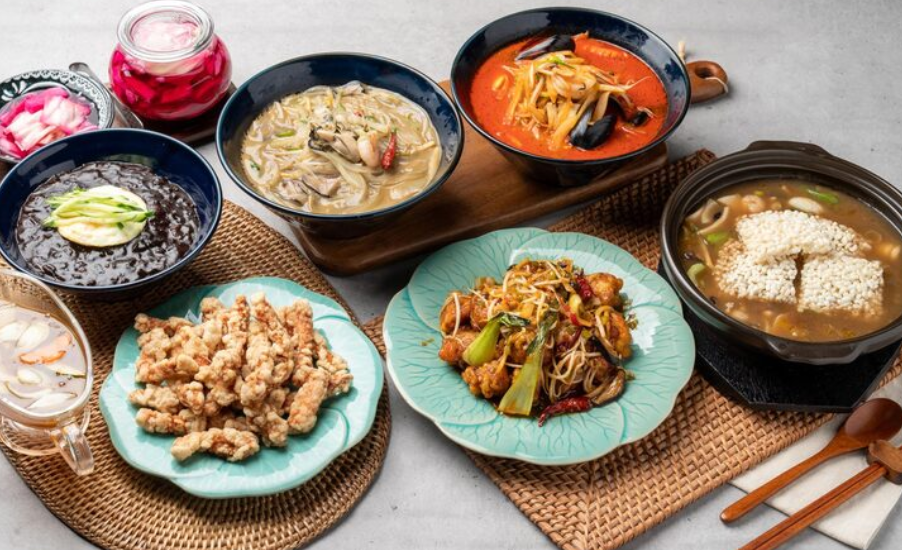
Comfort food is supposed to feel familiar. It’s the bowl you reach for when you’re tired, the dish that reminds you of someone who cared about you, the flavor that makes you slow down without trying. Traditional Asian comfort foods do that really well. Congee, ramen, pho, curry, dumplings, stir-fried noodles, rice bowls, hot pot, steamed buns. These foods were built for real life, not just special occasions.

So when modern chefs start “redefining” them, some people get nervous. I get it. It can sound like the food is being changed just to be trendy. But a lot of what’s happening right now isn’t about erasing tradition. It’s about translating it, adapting it, and sometimes making it easier for today’s diners to connect with the same comfort in a new way.

They’re keeping the soul, changing the structure

One of the biggest shifts is presentation. The core flavor profile stays recognizable, but the format changes.

For example, a traditional rice porridge might become a plated dish with crisp toppings, pickled elements, and a richer broth reduction. The comfort is still there. It’s warm, savory, gentle. But it now has contrast, texture, and a bit more “intent” behind each bite.

This is common with noodle dishes too. Chefs might keep the broth technique, the aromatics, and the slow-simmered depth, but change the noodles, add unexpected garnishes, or lighten the overall feel so it works for modern eating habits. Less heavy. Still satisfying.

They’re using better sourcing and smarter technique

A lot of traditional comfort dishes were born from necessity. Stretch ingredients. Make leftovers shine. Build flavor slowly because that was the most reliable way to feed people well.

Modern chefs have access to different supply chains and tools, so they can elevate the same foundations. Higher-quality proteins, fresher produce, better fermentation practices, and careful stocks. The dish becomes cleaner and more precise without losing comfort.

You also see technique upgrades. Things like:

  • Longer, more controlled braises for tenderness
  • House-made chili oils and infused fats for deeper flavor
  • Fermentation for complexity instead of relying on added sugar
  • Modern temperature control to keep broths clear and balanced

It’s not always flashy. Sometimes it’s just more consistent and more thoughtful.

They’re blending regions and personal stories

Asian comfort foods aren’t one single category. There are so many regional styles, and many chefs grew up with blended influences due to migration, mixed households, or living between cultures.

So you’ll see dishes that feel like “home,” but home is complicated.

A dumpling might have a filling inspired by a different country than the wrapper style. A curry might use a classic base but borrow herbs or aromatics from another region. A noodle dish might take the spirit of a street food favorite but use techniques from fine dining.

To some people, this looks like fusion. To others, it’s just honest cooking. Real life is blended. Kitchens reflect that.

They’re responding to modern diets without making it boring

Another major change: dietary needs. More diners are looking for plant-forward options, gluten-free alternatives, or lighter meals. Comfort food can adapt, but it takes skill to keep it satisfying.

Modern chefs are finding ways to preserve that “hug in a bowl” feeling with:

  • Mushroom and seaweed broths that still taste deep
  • Crispy tofu or tempeh prepared with spice and texture
  • Coconut-based sauces that deliver richness without dairy
  • Rice noodles or alternative flours that still hold up

The goal isn’t to make comfort food “healthy” in a preachy way. It’s to make it accessible without stripping its personality.

They’re making the experience part of the comfort

Comfort isn’t only flavor. It’s also how you eat.

That’s why you’ll see more shareable formats, build-your-own bowls, sizzling platters, interactive hot pot setups, and communal plates. These styles encourage connection, and connection is a big part of why comfort food feels comforting in the first place.

Even a simple rice bowl can feel elevated when it’s served with small sides, crisp textures, and careful seasoning. It becomes an experience, not just a quick meal.

Final thought

Modern chefs aren’t replacing traditional Asian comfort foods. They’re extending them. They’re keeping the heart of these dishes, the warmth, the balance, the care, while adjusting the form to match today’s tastes, ingredients, and lifestyles.

And if we’re being honest, that’s exactly how comfort food has always worked. It evolves, quietly, through people who love it enough to keep cooking it.

This post was written by a professional at Fortu. Fortu stands out among the top Restaurants St Petersburg FL, offering an elevated Pan-Asian dining experience in the heart of St. Petersburg, Florida. Celebrating Asia’s vibrant and diverse culture, Fortu introduces bright and bold flavors to a bright and bold city with a menu of locally and sustainably sourced options, from small bites to hearty delicacies. Whether winding down from a beach day or celebrating a special occasion, guests can enjoy a lush, alluring atmosphere and an authentic taste of Asia’s divine cuisine at one of the finest Best Restaurants Downtown St Petersburg.
Inside ISU: How an Izakaya-Inspired Dining Experience Redefines Shared Plates

Dining

Stepping into ISU feels like entering a lively, modern interpretation of a Japanese izakaya—an atmosphere where good food, good drinks, and good company take center stage. While many restaurants offer small plates, ISU elevates the concept by embracing the communal spirit and bold creativity that define izakaya dining. The result is a shared-plate experience that feels energetic, adventurous, and effortlessly social.

A Modern Take on the Izakaya Tradition

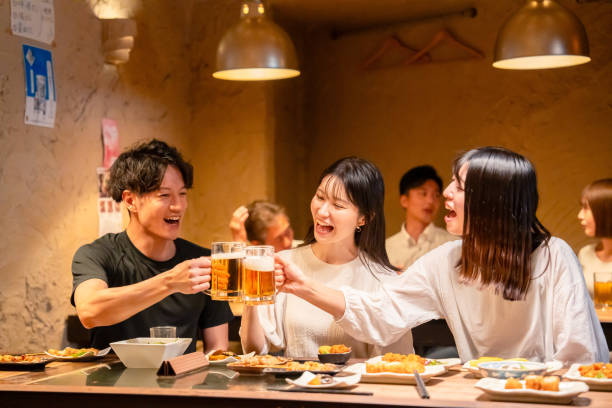
In Japan, izakayas are casual spots where friends and coworkers gather after hours to unwind with drinks and an array of flavorful dishes meant to be shared. ISU captures this essence but gives it a contemporary twist. The menu encourages curiosity, inviting guests to sample a variety of dishes instead of committing to a single entrée. It’s an experience built around connection—something that makes every visit feel warm and welcoming.

Bold Flavors Designed for Sharing

At ISU, shared plates aren’t just smaller portions—they’re thoughtfully crafted dishes meant to spark conversation. Each plate balances Japanese technique with global influences, delivering flavors that are both approachable and exciting. Whether it’s skewered proteins grilled over open flame, crispy bites packed with umami, or fresh seafood dressed with citrus and heat, the food is designed to be passed, tasted, and enjoyed together.

Because plates arrive as they’re prepared, the meal unfolds organically, creating a relaxed rhythm that encourages guests to slow down, savor, and explore.

An Atmosphere That Brings People Together

What truly sets ISU apart is the energy of the dining room. The izakaya-inspired environment blends casual comfort with elevated style—dim lighting, shared tables, and a vibrant bar scene. It’s a place where the clinking of glasses and bursts of laughter feel like part of the décor. The setting enhances the shared-plate approach by making the experience feel communal, dynamic, and unmistakably fun.

Redefining the Way We Dine

ISU’s izakaya-inspired philosophy transforms dining into something interactive and memorable. By blending shareable dishes, bold flavors, and a welcoming environment, ISU redefines what it means to enjoy food together—proof that some meals are simply better when shared.

This post was written by a professional at ISU. At ISU, Japanese precision meets Peruvian fire in a refined take on Nikkei cuisine. Our izakaya-inspired small plates feature pristine sushi, seasonal ingredients, and carefully balanced hot and cold dishes. Tucked beneath our sister restaurant Fortu, the space offers warm woods, amber lighting, and an intimate modern feel. Known for bold Peruvian flair and elevated sushi, ISU is a top choice for Asian fusion near you, one of the best new restaurants near you, and a standout along Central Avenue in St. Petersburg, Florida. Visit ISU in Downtown St. Pete to explore our menu and experience Nikkei cuisine at its finest.

Why Sushi is Never Merely Raw Fish?

Raw Fish

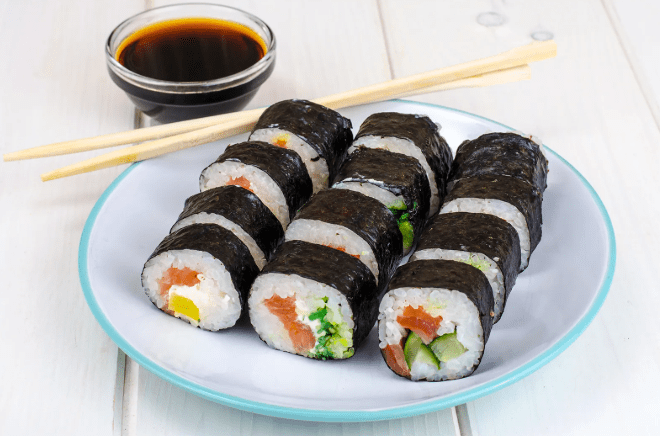
At Sushi Incorporated, we know that most people see sushi as nothing but raw fish plunked down on a plate. While certain distinct forms of sashimi and some rolls can contain fresh, uncooked seafood options, sushi should rightly contain one basic element: flavored rice. From there, it is all up to the imagination.

Sushi Is About Balance, Not Just Protein

Sushi is a perfectly balanced art form, based on a trinity of flavors, textures, and visual effects. The sweet-sour taste of vinegar-laced basmati rice punctuates the other comely combinations of earthly elements, which include cooked or heated vegetables, egg, and, yes, raw fish. But it is the balance between elements, rather than just its marine notes, that makes sushi something special.

There Are Cooked and Vegetarian Varieties

For those who refuse to eat raw fish, there are numerous other options in sushi. It is the California roll filled with crabmeat and avocado, tempura shrimp rolls, tamago nigiri, and veggie rolls made of cucumber, avocado, or pickled radish that tickle the taste buds of many. Such varieties show that sushi isn’t confined to those in love with sea-based ranches only.

A Cultural and Culinary Experience

Sushi is deeply rooted in Japanese tradition, and one sees every aspect of tradition in the preparation, presentation, and even in the etiquette, creating a fine dining experience. Sushi tells stories of simplicity or complex omakase beyond the individual plates.

The Innovation Factor

Modern sushi chefs are known for constantly attempting to push the boundaries of what can be used in sushi. From fusion rolls prepared with global flavors to plant-based options that imitate the taste and feel of seafood, innovation will finally make sure sushi still evolves while retaining its cultural essence.

More Than a Meal

When inside Sushi Incorporated, you are no longer just dining; you are part of a craft filled with precision, creativity, and tradition. Sushi is excitement, artistry, and culture-and more-which cannot be encapsulated in any one ingredient.

https://sushiincorporated.com/  is a vibrant restaurant that offers what is considered the best sushi in St Pete. Opening its doors in 2013 and becoming a local staple by offering live music, traditional hand-rolled sushi, and a friendly atmosphere, our guests always have a top-notch experience. Customers love our award-winning, fresh, and creative Sushi rolls, Nigiri, and Sashimi. With a larger selection of tempura, non-Sushi, and teriyaki options, we can accommodate every taste.

Why Singapore’s Durian Cake Obsession is Taking Over the Lion City (And You’re Missing Out)

Durian Cake

Singapore’s culinary landscape pulses with an electric tension between tradition and innovation, where ancient hawker wisdom collides with Instagram-worthy dessert trends. Yet beneath this glossy surface of food photography and tourist queues lies something far more primal: our collective surrender to the thorny king of fruits.

The phenomenon of durian cake in Singapore represents more than mere dessert consumption—it embodies a cultural reckoning with pleasure, disgust, and belonging. This isn’t about following trends; it’s about confronting our deepest culinary fears and emerging victorious, fork in hand.

The Durian Paradox: Love It or Loathe It (But Never Ignore It)

Walk through any Singapore shopping centre during durian season, and you’ll witness something extraordinary: queues of people willingly subjecting themselves to what many consider culinary torture. The durian’s infamous aroma—described variously as rotting onions, raw sewage, or sweet custard, depending on one’s cultural conditioning—becomes the litmus test for authentic Singaporean identity.

Statistics from the Singapore Food Agency reveal that durian consumption has increased by 23% over the past five years, with cake variations contributing significantly to this growth. The younger generation, particularly those aged 18-35, is driving this surge in creative durian desserts, transforming what was once a seasonal street food into a year-round indulgence.

The durian cake phenomenon speaks to something deeper than taste preferences. It’s about claiming space in a society that often demands conformity, about asserting one’s right to pleasure even when that pleasure offends others.

The Art of Durian Cake Crafting: Where Tradition Meets Rebellion

Creating the perfect Singapore durian cake requires more than technical skill—it demands emotional intelligence. The baker must navigate the fruit’s volatile personality, its tendency to overwhelm or disappoint, its refusal to be tamed by conventional pastry rules.

Local pastry chefs have developed sophisticated techniques to harness durian’s power:

  • Temperature control: Durian’s flavour compounds are heat-sensitive, requiring precise temperature management during baking
  • Texture balancing: The fruit’s natural creaminess must be counterbalanced with structural elements to prevent collapse
  • Aroma management: Strategic ventilation systems and timing ensure the scent enhances rather than overwhelms
  • Flavour layering: Complementary ingredients like pandan, coconut, or gula melaka create harmony without masking the durian’s essence

The most successful durian desserts in Singapore don’t apologise for their intensity. They celebrate it, forcing diners to confront their preconceptions about acceptable flavours and social boundaries.

The Social Currency of Durian Appreciation

In Singapore’s complex social hierarchy, durian cake consumption has emerged as an unexpected form of cultural capital. Those who can appreciate—or at least tolerate—durian signal their authenticity, their willingness to engage with local culture on its own terms rather than demanding it conform to external expectations.

This creates fascinating dynamics at social gatherings. The durian cake becomes a conversation starter, a boundary-marker, a way of sorting the initiated from the outsiders. It’s democracy through dessert—everyone gets to vote with their taste buds.

Research from the National University of Singapore suggests that durian acceptance correlates with longer residency in Southeast Asia, indicating its role as a cultural integration marker. For many expatriates, successfully enjoying durian cake represents a milestone in their Singaporean journey.

Health Benefits Hidden in Controversial Flesh

Beyond its polarising flavour profile, durian offers substantial nutritional benefits that health-conscious Singaporeans are beginning to recognise. The fruit contains high levels of vitamin C, potassium, and dietary fibre, along with compounds that may support heart health and immune function.

Singapore’s Health Promotion Board notes that durian, consumed in moderation, can contribute to a balanced diet. When transformed into cake form, these benefits persist, though they’re naturally diluted by additional ingredients like flour, sugar, and butter.

The key lies in viewing durian cakes as occasional indulgences rather than daily staples—a philosophy that aligns with Singapore’s broader approach to food culture, where pleasure and health consciousness coexist in careful balance.

The Future of Durian Innovation

Singapore’s durian cake scene continues evolving, with artisanal bakeries experimenting with fusion approaches that respect tradition while embracing innovation. We’re seeing durian cheesecakes, durian mille-feuille, and even durian ice cream cakes that challenge conventional dessert boundaries.

This innovation doesn’t represent abandonment of authenticity—it signals its evolution. Each new iteration tests the limits of what durian can become whilst maintaining its essential character. The results often surprise even seasoned durian enthusiasts.

Embracing the Uncomfortable

The rise of durian-flavoured desserts in Singapore forces us to confront uncomfortable truths about taste, culture, and belonging. Food becomes political when it refuses to be universally appealing, when it demands that we choose sides rather than offering bland consensus.

In a world increasingly obsessed with palatability and mass appeal, durian cake stands as delicious resistance. It refuses to be liked by everyone, and in doing so, it offers something more valuable than universal approval: authentic experience.

The next time you encounter durian cake in Singapore, consider it not just as a dessert but as invitation to expand your boundaries, challenge your assumptions, and perhaps discover that the most rewarding experiences often come disguised as the most intimidating ones.

Specifics of Steakhouse Offers

Specifics of Steakhouse Offers

Many steakhouses provide unique offers that let you savor great food for less money. Knowing steakhouse deals will help you save money whether you’re treating yourself or heading out for a big celebration.

What Are Steakhouse Deals?

Steakhouse offers are meal-based discounts or specials. These might be reduced rates, combo meals, happy hour specials, or limited-time specials. To draw more clients, the intention is to present a decent lunch at a reasonable price.

Certain deals only run during specific periods of the week or year. Before your visit, it’s a smart idea to find out from the restaurant.

The Most Popular Steakhouse Discounts

1. Special Lunch Treats

Lunch time meals at many steakhouses are less expensive. Usually these dinners consist of a lesser steak piece, a side dish, and a discounted drink. It’s a fantastic way to get steak without shelling out full restaurant costs.

2. Early Bird Exclusive Events

For those who like to eat before the supper surge, certain eateries have early bird specials. Usually running between 4 and 6 p.m., this provide a full supper at a reduced price.

3. Happy Hour Promos

A great chance to savor steakhouse favorites for less is happy hour. Discounts on cocktails, snacks, small dishes, or steak sliders could be available. After work, this is a great snack and drink choice.

4. Combo Menus and Prix Fixe Meals

Combining meals or prix fixe (fixed-price) menus lets you savor several courses—like a salad, main dish, and dessert—for one set price. Often presented in the evening, these are quite valuable.

5. Children Eat Free and Family Bargains

When you buy an adult dinner, several steakhouses give free lunches for children. Others feature family-style choices whereby one can order big plates to split for one cost.

6. Particular Holiday or Event Prominent

Valentine’s Day and Father’s Day are among holidays when many steakhouses feature unique menus or specials. These can call for discounts or limited-time steak meals.

7. Coupons and Loyalty Programmes

Frequent steakhouse visits can benefit from you registering for their rewards program. Most schemes give points for every dollar spent, which you may use toward discounts or free meals. Coupons could also arrive by mail or email.

How to Discover the Greatest Steakhouse Bargains

Consult the website. Online most steakhouses list their current specials.

Follow on Social Media: Many eateries run Facebook or Instagram surprise or limited-time offers.

Set up your emails. To receive coupons and news about specials, join the email list of the restaurant.

Use Dining Apps: Local restaurant offers are frequently presented by Yelp or OpenTable apps.

Last Advice to Help You Save More

Go during off-peak hours. You will probably find faster service and better prices.

Inquire about Your Server – Although certain specials aren’t stated, you could find them depending on your inquiries.

Share Your Meal: Often big enough to share, steak servings save food and money.

Conclusion

Good steak dinners are often enjoyed without breaking the budget thanks to steakhouse offers. From loyalty programs to lunch discounts, there are lots of ways to cut costs. Ahead of time, find out about present offerings; then, schedule your trip around the finest deals. A little preparation will help you to have a terrific steakhouse experience at less cost.

This post was written by a professional at best-restaurants-in-largo-fl. Bascom’s Chop House, a premier steakhouse since 2001, offers a refined dining experience with impeccable service and award-winning cuisine. Our menu features the finest cuts, from perfectly cooked steaks to tender wagyu beef and fresh scallops. We take pride in using organic, hormone-free meats and locally sourced produce, ensuring both quality and sustainability.