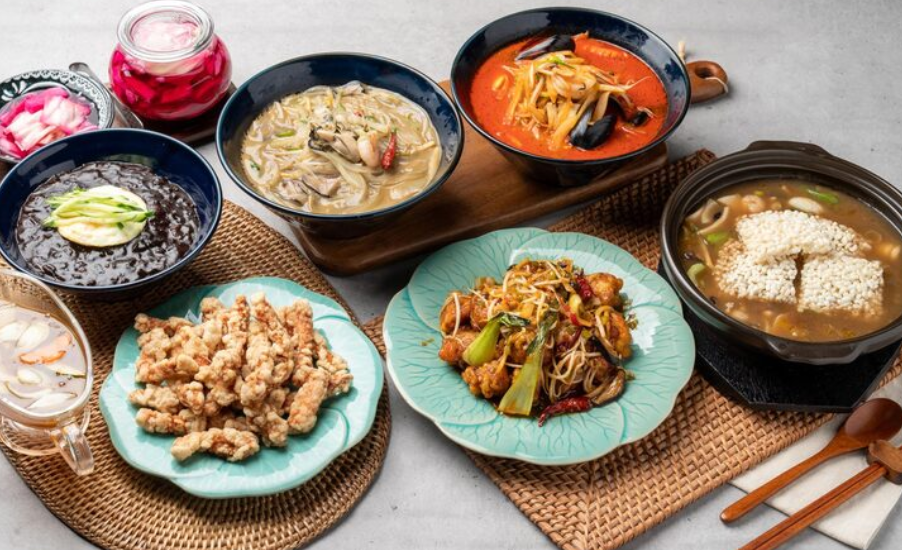
Comfort food is supposed to feel familiar. It’s the bowl you reach for when you’re tired, the dish that reminds you of someone who cared about you, the flavor that makes you slow down without trying. Traditional Asian comfort foods do that really well. Congee, ramen, pho, curry, dumplings, stir-fried noodles, rice bowls, hot pot, steamed buns. These foods were built for real life, not just special occasions.
So when modern chefs start “redefining” them, some people get nervous. I get it. It can sound like the food is being changed just to be trendy. But a lot of what’s happening right now isn’t about erasing tradition. It’s about translating it, adapting it, and sometimes making it easier for today’s diners to connect with the same comfort in a new way.
They’re keeping the soul, changing the structure
One of the biggest shifts is presentation. The core flavor profile stays recognizable, but the format changes.
For example, a traditional rice porridge might become a plated dish with crisp toppings, pickled elements, and a richer broth reduction. The comfort is still there. It’s warm, savory, gentle. But it now has contrast, texture, and a bit more “intent” behind each bite.
This is common with noodle dishes too. Chefs might keep the broth technique, the aromatics, and the slow-simmered depth, but change the noodles, add unexpected garnishes, or lighten the overall feel so it works for modern eating habits. Less heavy. Still satisfying.
They’re using better sourcing and smarter technique
A lot of traditional comfort dishes were born from necessity. Stretch ingredients. Make leftovers shine. Build flavor slowly because that was the most reliable way to feed people well.
Modern chefs have access to different supply chains and tools, so they can elevate the same foundations. Higher-quality proteins, fresher produce, better fermentation practices, and careful stocks. The dish becomes cleaner and more precise without losing comfort.
You also see technique upgrades. Things like:
- Longer, more controlled braises for tenderness
- House-made chili oils and infused fats for deeper flavor
- Fermentation for complexity instead of relying on added sugar
- Modern temperature control to keep broths clear and balanced
It’s not always flashy. Sometimes it’s just more consistent and more thoughtful.
They’re blending regions and personal stories
Asian comfort foods aren’t one single category. There are so many regional styles, and many chefs grew up with blended influences due to migration, mixed households, or living between cultures.
So you’ll see dishes that feel like “home,” but home is complicated.
A dumpling might have a filling inspired by a different country than the wrapper style. A curry might use a classic base but borrow herbs or aromatics from another region. A noodle dish might take the spirit of a street food favorite but use techniques from fine dining.
To some people, this looks like fusion. To others, it’s just honest cooking. Real life is blended. Kitchens reflect that.
They’re responding to modern diets without making it boring
Another major change: dietary needs. More diners are looking for plant-forward options, gluten-free alternatives, or lighter meals. Comfort food can adapt, but it takes skill to keep it satisfying.
Modern chefs are finding ways to preserve that “hug in a bowl” feeling with:
- Mushroom and seaweed broths that still taste deep
- Crispy tofu or tempeh prepared with spice and texture
- Coconut-based sauces that deliver richness without dairy
- Rice noodles or alternative flours that still hold up
The goal isn’t to make comfort food “healthy” in a preachy way. It’s to make it accessible without stripping its personality.
They’re making the experience part of the comfort
Comfort isn’t only flavor. It’s also how you eat.
That’s why you’ll see more shareable formats, build-your-own bowls, sizzling platters, interactive hot pot setups, and communal plates. These styles encourage connection, and connection is a big part of why comfort food feels comforting in the first place.
Even a simple rice bowl can feel elevated when it’s served with small sides, crisp textures, and careful seasoning. It becomes an experience, not just a quick meal.
Final thought
Modern chefs aren’t replacing traditional Asian comfort foods. They’re extending them. They’re keeping the heart of these dishes, the warmth, the balance, the care, while adjusting the form to match today’s tastes, ingredients, and lifestyles.
And if we’re being honest, that’s exactly how comfort food has always worked. It evolves, quietly, through people who love it enough to keep cooking it.
This post was written by a professional at Fortu. Fortu stands out among the top Restaurants St Petersburg FL, offering an elevated Pan-Asian dining experience in the heart of St. Petersburg, Florida. Celebrating Asia’s vibrant and diverse culture, Fortu introduces bright and bold flavors to a bright and bold city with a menu of locally and sustainably sourced options, from small bites to hearty delicacies. Whether winding down from a beach day or celebrating a special occasion, guests can enjoy a lush, alluring atmosphere and an authentic taste of Asia’s divine cuisine at one of the finest Best Restaurants Downtown St Petersburg.
 CRAZYMASALA.FOOD