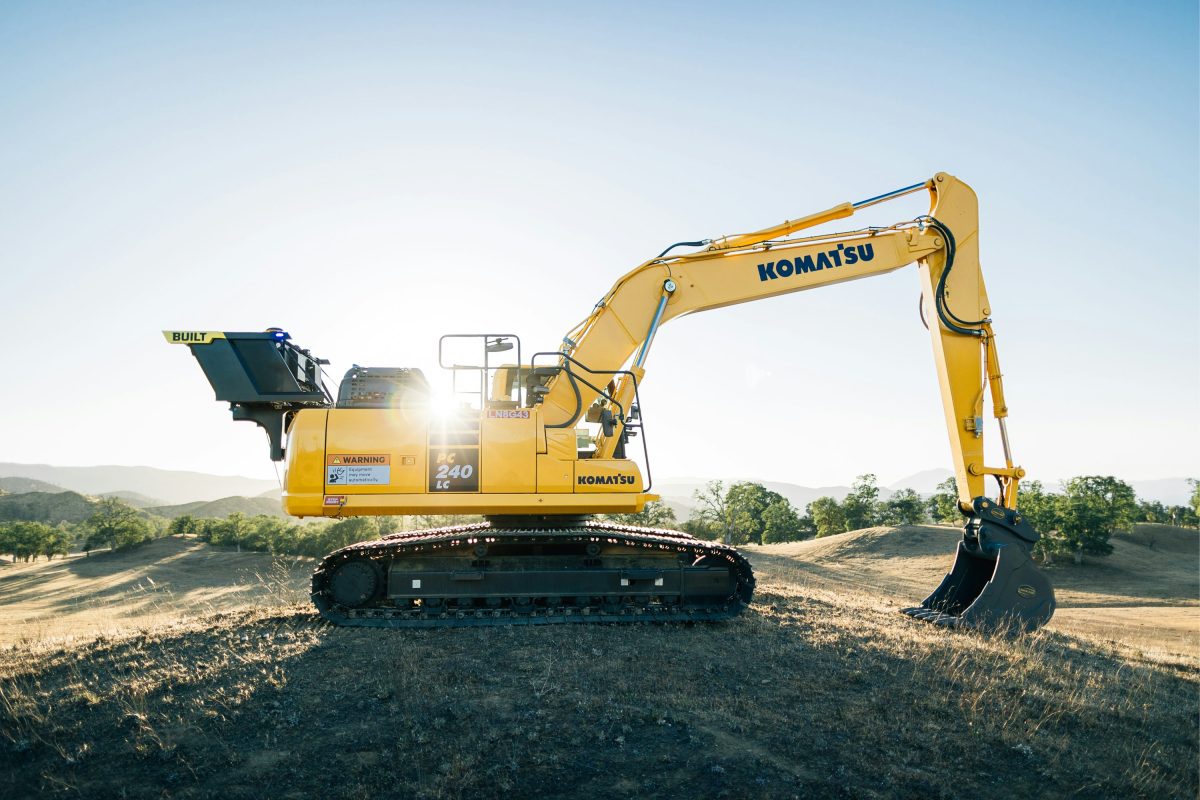
When planning an earthmoving or construction project, choosing the right equipment can make or break your schedule and budget. Whether you’re preparing a residential site, shaping a landscape, or managing drainage and foundation work, excavators provide the power, precision, and versatility needed to get the job done efficiently. If you’re considering excavator hire Byron Bay, it’s worth understanding what to look for before booking to ensure you get the most out of your investment.
Understanding Project Suitability
Excavators are among the most adaptable machines in construction and landscaping. They’re used for trenching, grading, digging, and lifting across a wide range of projects. From building foundations and digging pools to shaping driveways and removing waste, excavators handle tasks that would otherwise take days of manual labor.
For smaller sites or confined spaces, compact and mini excavators are ideal due to their maneuverability and light footprint. Larger machines, on the other hand, are better suited for heavy-duty digging, bulk earthmoving, or rock breaking. Before hiring, consider your site conditions, soil type, and the amount of material to be moved to determine the appropriate excavator size.
Choosing the Right Size and Attachments
One of the most common mistakes when hiring an excavator is selecting the wrong size. A machine that’s too small may delay your project, while one that’s too large can create access and transport issues.
- Mini excavators (1.7–2.0 tonnes): Perfect for tight spaces, small landscaping jobs, and shallow trenches.
- Compact excavators (3–5 tonnes): Great all-rounders that can handle deeper trenches and footings while still being easy to transport.
- Mid-size excavators (6–8 tonnes): Best for more demanding work such as rock removal, pool excavation, and large-scale site preparation.
Attachments can enhance efficiency and adaptability. Common options include:
- Buckets for general digging and grading
- Augers for post holes and foundations
- Rock breakers for tough materials
- Hydraulic grabs for moving debris or stone blocks
Always confirm that attachments are compatible with the machine you’re hiring, and book them at the same time to avoid availability issues.
Assessing Site Conditions
Before booking an excavator, walk through your site and identify potential access restrictions, overhead hazards, and soil challenges. Uneven or wet ground can impact stability, while narrow entrances or low structures may limit the size of equipment that can be used.
Consider how weather and soil conditions could affect progress. Clay-rich soils may become slippery when wet, while sandy or loose soils might require stabilizing materials to prevent tracks from sinking. Planning reduces delays and minimizes additional costs.
Understanding Hire Options and Costs
Excavator hire typically falls into two categories: dry hire and wet hire.
- Dry hire means you operate the machine yourself. It’s the cheaper option, but it requires skill and confidence to handle the excavator safely and productively.
- Wet hire includes a professional operator who brings experience and precision to the job. While the hourly rate is higher, it often leads to faster completion times and better outcomes, especially for complex work.
When comparing quotes, ensure that all inclusions are clearly stated—such as delivery fees, fuel, insurance, attachments, and bonds. A lower rate doesn’t always mean better value if key items are excluded.
Safety and Compliance
Operating an excavator safely is crucial. Before starting work, check for underground utilities, power lines, and other hidden hazards. In many areas, it’s necessary to contact utility locators to identify underground pipes or cables.
Ensure that up-to-date safety certifications, risk assessments, and maintenance records accompany any hired equipment. Operators should be appropriately trained and follow safe work procedures, especially when working on slopes or near traffic. Using exclusion zones, barriers, and signage helps protect both workers and the public.
Efficient Planning for Smooth Operations
Good planning is key to getting the most from your excavator hire. Confirm delivery times, access routes, and fuel arrangements in advance. If weather is a factor, schedule digging for the driest part of the week to prevent delays or soil collapse. Have clear disposal plans for excess material or debris, and check local guidelines for waste management and environmental protection.
For complex jobs, hiring an experienced operator can be a wise investment. They can read the terrain, anticipate challenges, and adjust their approach to maximize productivity and safety.
Final Thoughts
Booking an excavator doesn’t have to be complicated. By understanding your site requirements, matching the right machine and attachments, and clarifying hire terms upfront, you can avoid common pitfalls and complete your project efficiently. Whether it’s landscaping, trenching, or large-scale excavation, the right preparation ensures the job runs smoothly from start to finish.
When evaluating excavator hire byron bay, compare similar-sized machines, attachments, and insurance terms across providers to make a fair assessment. With careful planning and the right equipment, you’ll achieve a faster, safer, and more cost-effective result every time.
 CRAZYMASALA.FOOD