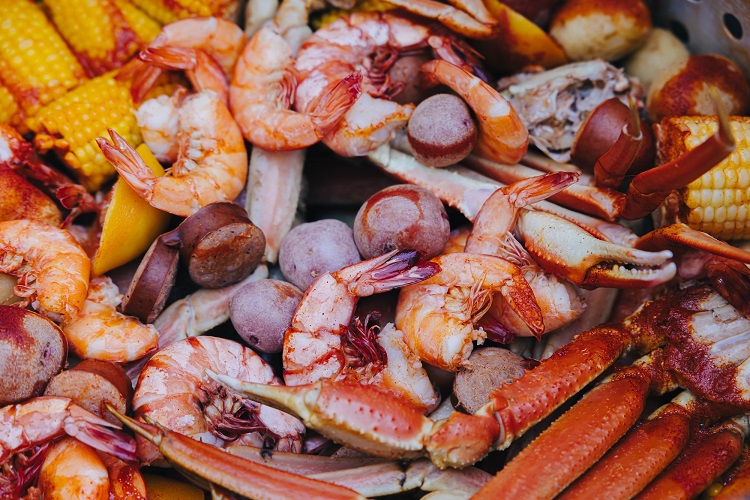
The relationship between a seafood supplier in Singapore and the broader marine ecosystem represents one of the most intricate examples of biological commerce in our modern world. Like the delicate balance found in coral reefs, where each organism plays a vital role in maintaining the whole, Singapore’s seafood distribution network operates as a living system of interconnected relationships, dependencies, and mutual survival strategies that mirror the very ocean environments from which these precious resources originate.
The Evolutionary Biology of Seafood Distribution
Singapore’s seafood supply networks demonstrate remarkable parallels to evolutionary processes that have shaped marine life over millions of years. Key evolutionary adaptations observed include:
- Niche Specialisation: Suppliers have evolved to occupy distinct positions within the commercial ecosystem, each developing unique characteristics for survival
- Deep-Sea Focus: Some distributors specialise exclusively in deep-ocean species requiring specific handling expertise
- Coastal Varieties: Others concentrate on nearshore species with different preservation and transport requirements
- Delicate Specimen Handling: Certain suppliers have evolved to manage only the most fragile marine life requiring ultra-specialised care
- Resource Optimisation: This biological principle of niche differentiation ensures efficient utilisation of every available resource whilst preventing waste
Biodiversity in Singapore’s Seafood Markets
The remarkable diversity found in Singapore’s seafood markets rivals that of the world’s most biodiverse marine environments. From the microscopic complexity of plankton-feeding molluscs to the majestic presence of large pelagic fish, the variety represents a living catalogue of oceanic life. This biodiversity serves multiple functions:
- Ecological Resilience: A diverse supply base ensures stability when certain species face seasonal or environmental pressures
- Nutritional Complexity: Different species provide varying nutritional profiles, supporting human dietary diversity
- Economic Adaptation: Multiple species allow suppliers to adjust to market fluctuations and consumer preferences
- Cultural Preservation: Traditional fishing practices and species knowledge are maintained through diverse sourcing
The intricate web of relationships between suppliers, fishermen, and consumers creates a system of checks and balances reminiscent of predator-prey dynamics in natural ecosystems.
The Science of Freshness: Biological Preservation Methods
Singapore’s leading seafood distributors employ sophisticated methods that essentially manipulate biological time through scientific intervention:
- Enzymatic Control: Slowing the enzymatic breakdown that begins immediately upon death
- Bacterial Management: Controlling colonisation patterns that affect decomposition rates
- Cellular Preservation: Maintaining tissue integrity through precise environmental manipulation
- Temperature Gradient Management: Mimicking deep-sea thermal conditions to slow metabolic processes
- Salinity Control: Maintaining osmotic balance to preserve cellular structure
- Oxygen Regulation: Preventing oxidative damage whilst controlling anaerobic bacterial growth
- pH Monitoring: Maintaining optimal acidity levels that naturally occur in healthy marine environments
Symbiotic Relationships in the Supply Chain
The relationship between Singapore’s seafood suppliers and their source communities represents a form of commercial mutualism. Fishing communities provide the raw biological harvest, whilst suppliers offer market access, technological support, and economic stability. This symbiotic arrangement ensures the continuation of both traditional fishing practices and modern distribution efficiency.
“The sophisticated seafood supply networks in Singapore demonstrate how human commerce can mirror the efficiency and sustainability found in natural marine ecosystems, creating relationships that benefit all participants whilst preserving the biological heritage of our oceans,” observes a marine biology researcher studying commercial fishing practices.
These partnerships often extend beyond simple transactional relationships, involving education programmes, sustainable fishing technique development, and long-term community investment that strengthens the entire biological and economic system.
Seasonal Rhythms and Natural Cycles
Like migrating birds following ancient flyways, Singapore’s seafood supply follows predictable seasonal patterns that reflect the natural rhythms of marine life. Spawning seasons, feeding migrations, and environmental changes all influence availability and quality, requiring suppliers to understand and adapt to these biological cycles.
The most successful seafood distributors in Singapore have developed an almost intuitive understanding of these natural patterns:
- Monsoon Influences: Weather patterns affect fishing conditions and species behaviour
- Breeding Cycles: Respecting natural reproduction periods ensures long-term sustainability
- Ocean Temperature Fluctuations: Thermal changes drive species distribution and availability
- Lunar Phases: Many marine species respond to tidal and lunar cycles that affect feeding and movement
Technological Evolution in Biological Commerce
The integration of technology in Singapore’s seafood supply chain represents a fascinating convergence of human innovation and biological understanding:
- Advanced Monitoring Systems: Track location, temperature, and subtle biological indicators determining quality
- Chemical Signature Analysis: Sensors measure decomposition markers at molecular levels
- Optical Quality Assessment: Systems analyse tissue transparency and colour changes indicating freshness
- Automated Response Mechanisms: Technology responds to biological cues faster than human observation
- Biological Amplification: Technology enhances rather than replaces natural biological understanding
- Real-Time Adaptation: Systems adjust environmental conditions based on continuous biological feedback
Conservation Through Commerce
Perhaps most remarkably, Singapore’s seafood supply industry has begun to demonstrate how commercial success and conservation can coexist. By understanding the biological requirements for sustainable harvesting, suppliers increasingly support fishing practices that maintain ecosystem health whilst ensuring long-term business viability.
This approach recognises that healthy ocean ecosystems are not just environmentally important but economically essential. The biological diversity that makes Singapore’s seafood markets so remarkable depends entirely on maintaining the complex web of relationships that exist in natural marine environments.
The Future of Marine Commerce
As we look towards the future, Singapore’s seafood supply industry stands as a model for how human commerce can evolve to work in harmony with biological systems rather than against them. The integration of scientific understanding, technological innovation, and respect for natural processes creates a template for sustainable resource management that could be applied globally.
The continued success of this industry depends on maintaining the delicate balance between human needs and ecosystem health, recognising that we are not separate from nature but part of an interconnected web of relationships. Singapore’s position as a leader in this field reflects not just commercial acumen but a deep understanding of the biological principles that govern both marine ecosystems and successful seafood supplier operations in Singapore.
 CRAZYMASALA.FOOD